[ITEM]

Dell Precision PWS670 workstation, dual Xeon processors 3gHz, 3 GB RAM. Running WinXP Pro with SP3. Trying to upgrade to Vista Business. Right from the start I'm given a message that the Dell Storage Manager. Driver must be uninstalled before it can proceed. It refers me to MS KB. RAID Storage Manager program is developed by the company named Dell Inc. The official website of the developer is www.dell.com. Normally the program size is around 64.71 KB.

Supported operations The Dell Storage Center volume driver provides the following Cinder volume operations: • Create, delete, attach (map), and detach (unmap) volumes. • Create, list, and delete volume snapshots. • Create a volume from a snapshot.

Credit yang di pakai: - Mod Bus Setra Daun Hino RG Convert to ETS2 by Seseorang A.K.A Mas Agus Cahyono Repack Mikha J - Map ICRF Sukabumi by Adie Evergreen1976 - Trafik Nuansa Indonesia by AB maaf kalo ada credit yang salah. * Jangan lupa Subscribe / Langganan * Link Game: www.eurotrucksimulator2.com Link Game Via Gamershell ETS 2 Version 1.21: ETS 2 Version 1.22: ETS 2 Version 1.23: * ETS 2 version 1.23 Full version: Kumpulan mod * ets2.lt: * ets2mods.com: * ets2mods.org. Mod bus euro truck simulator 2 versi indonesia lagu. * Euro Truck Simulator 2 v 1.22 * Mohon Maaf jika ada kesalahan.

• Copy an image to a volume. • Copy a volume to an image. • Clone a volume. • Extend a volume. • Create, delete, list and update a consistency group. • Create, delete, and list consistency group snapshots. • Manage an existing volume.
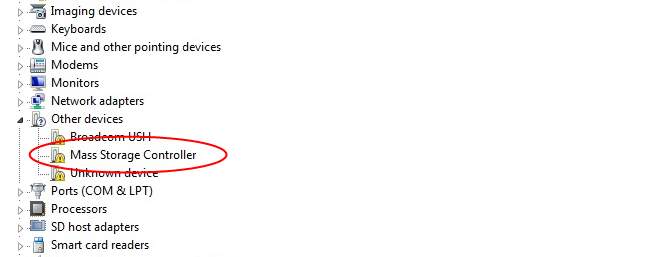
Dell Storage Manager Driver Uninstall

• Failover-host for replicated back ends. • Create a replication using Live Volume. Extra spec options Volume type extra specs can be used to enable a variety of Dell Storage Center options. Selecting Storage Profiles, Replay Profiles, enabling replication, replication options including Live Volume and Active Replay replication. Storage Profiles control how Storage Center manages volume data.

For a given volume, the selected Storage Profile dictates which disk tier accepts initial writes, as well as how data progression moves data between tiers to balance performance and cost. Predefined Storage Profiles are the most effective way to manage data in Storage Center. By default, if no Storage Profile is specified in the volume extra specs, the default Storage Profile for the user account configured for the Block Storage driver is used. The extra spec key storagetype:storageprofile with the value of the name of the Storage Profile on the Storage Center can be set to allow to use Storage Profiles other than the default.

For ease of use from the command line, spaces in Storage Profile names are ignored. As an example, here is how to define two volume types using the High Priority and Low Priority Storage Profiles. $ openstack volume type create 'GoldVolumeType' $ openstack volume type set --property storagetype:storageprofile =highpriority 'GoldVolumeType' $ openstack volume type create 'BronzeVolumeType' $ openstack volume type set --property storagetype:storageprofile =lowpriority 'BronzeVolumeType' Replay Profiles control how often the Storage Center takes a replay of a given volume and how long those replays are kept. The default profile is the daily profile that sets the replay to occur once a day and to persist for one week. The extra spec key storagetype:replayprofiles with the value of the name of the Replay Profile or profiles on the Storage Center can be set to allow to use Replay Profiles other than the default daily profile. As an example, here is how to define a volume type using the hourly Replay Profile and another specifying both hourly and the default daily profile.

[/ITEM]
[/MAIN]

Dell Precision PWS670 workstation, dual Xeon processors 3gHz, 3 GB RAM. Running WinXP Pro with SP3. Trying to upgrade to Vista Business. Right from the start I'm given a message that the Dell Storage Manager. Driver must be uninstalled before it can proceed. It refers me to MS KB. RAID Storage Manager program is developed by the company named Dell Inc. The official website of the developer is www.dell.com. Normally the program size is around 64.71 KB.

Supported operations The Dell Storage Center volume driver provides the following Cinder volume operations: • Create, delete, attach (map), and detach (unmap) volumes. • Create, list, and delete volume snapshots. • Create a volume from a snapshot.

Credit yang di pakai: - Mod Bus Setra Daun Hino RG Convert to ETS2 by Seseorang A.K.A Mas Agus Cahyono Repack Mikha J - Map ICRF Sukabumi by Adie Evergreen1976 - Trafik Nuansa Indonesia by AB maaf kalo ada credit yang salah. * Jangan lupa Subscribe / Langganan * Link Game: www.eurotrucksimulator2.com Link Game Via Gamershell ETS 2 Version 1.21: ETS 2 Version 1.22: ETS 2 Version 1.23: * ETS 2 version 1.23 Full version: Kumpulan mod * ets2.lt: * ets2mods.com: * ets2mods.org. Mod bus euro truck simulator 2 versi indonesia lagu. * Euro Truck Simulator 2 v 1.22 * Mohon Maaf jika ada kesalahan.

• Copy an image to a volume. • Copy a volume to an image. • Clone a volume. • Extend a volume. • Create, delete, list and update a consistency group. • Create, delete, and list consistency group snapshots. • Manage an existing volume.

Dell Storage Manager Driver Uninstall

• Failover-host for replicated back ends. • Create a replication using Live Volume. Extra spec options Volume type extra specs can be used to enable a variety of Dell Storage Center options. Selecting Storage Profiles, Replay Profiles, enabling replication, replication options including Live Volume and Active Replay replication. Storage Profiles control how Storage Center manages volume data.

For a given volume, the selected Storage Profile dictates which disk tier accepts initial writes, as well as how data progression moves data between tiers to balance performance and cost. Predefined Storage Profiles are the most effective way to manage data in Storage Center. By default, if no Storage Profile is specified in the volume extra specs, the default Storage Profile for the user account configured for the Block Storage driver is used. The extra spec key storagetype:storageprofile with the value of the name of the Storage Profile on the Storage Center can be set to allow to use Storage Profiles other than the default.

For ease of use from the command line, spaces in Storage Profile names are ignored. As an example, here is how to define two volume types using the High Priority and Low Priority Storage Profiles. $ openstack volume type create 'GoldVolumeType' $ openstack volume type set --property storagetype:storageprofile =highpriority 'GoldVolumeType' $ openstack volume type create 'BronzeVolumeType' $ openstack volume type set --property storagetype:storageprofile =lowpriority 'BronzeVolumeType' Replay Profiles control how often the Storage Center takes a replay of a given volume and how long those replays are kept. The default profile is the daily profile that sets the replay to occur once a day and to persist for one week. The extra spec key storagetype:replayprofiles with the value of the name of the Replay Profile or profiles on the Storage Center can be set to allow to use Replay Profiles other than the default daily profile. As an example, here is how to define a volume type using the hourly Replay Profile and another specifying both hourly and the default daily profile.